
Few areas of photography are as rewarding as macro photography. The ability to reveal hidden details and transform everyday subjects into extraordinary images makes it a fascinating genre. In addition, macro subjects are typically small and somewhat stationary, so unlike larger wildlife that may quickly flee, macro photographers can capture a greater variety of subjects during a single outing.
Choosing the right macro lens to put in front of your sensor can, however, be just as challenging as macro photography itself, especially with several excellent options on the market.
In this post, I’ll compare three macro capable lenses in the Sony E-Mount ecosystem:
- the Sony 70-200 f/4 Macro G OSS II capable of 0.5x magnification
- the Sony 90mm f/2.8 Macro G OSS capable of 1x magnification
- the Laowa f/2.8 2x Ultra Macrco APO capable of 2x magnification
Why did I choose these three lenses for my comparison you might wonder?
I have owned the Sony 90mm f/2.8 Macro G OSS for just over a year, and it has consistently delivered excellent results. The lens produces outstanding image quality and has been a reliable choice for my macro photography. My only criticism is that the autofocus can feel somewhat slow in certain situations. Beyond that, the fixed 90mm focal length has limited its versatility for my wildlife photography because it is not always possible to “zoom with your feet”. In addition, I occasionally found that the Sony 90mm’s maximum 1x magnification was not quite enough for some of the subjects I wanted to photograph.
A few months ago, Sony introduced the new 100mm f/2.8 Macro GM OSS. This lens offers up to 1.4x magnification natively and can reach an impressive 2.8x magnification when paired with a 2x teleconverter. As a newly developed GM lens, it also features significantly improved autofocus performance, making it superior to the 90mm version in nearly every aspect. Of course, that premium performance also comes with a premium price tag…
This led me to explore other macro lenses capable of exceeding 1x magnification. During that search, I came across the Laowa 90mm f/2.8 2x Ultra Macro APO. With a very reasonable price of around €650 at the time of writing, it immediately caught my attention. After watching several reviews my curiosity grew and I decided I wanted to try the lens for myself.
So how did the Sony 70-200mm f/4 Macro G OSS II earn a place on this list? It certainly wasn’t just because of its name.
About a year ago, I was in Norway photographing white-tailed eagles hunting from a boat. As usual, I had my Sony 200-600mm mounted on an APS-C camera body, ready for some serious wildlife photography. What I didn’t expect was just how close some of the eagles would come. In several instances, even at the shortest focal length of 200mm, I couldn’t fit the entire bird into the frame. That experience made me realize there are situations where a shorter telephoto zoom can make the difference betwen getting the shot or not. A lens covering the 70-200mm range seemed like the ideal complement to my wildlife setup. Investing in a premium 70-200mm f/2.8 lens was difficult to justify however, given that I spend far more time shooting wildlife at 200-600mm than at shorter focal lengths (remember I already owned the Sony 90mm Macro).
After researching the available options, the Sony 70-200mm f/4 Macro G OSS II quickly rose to the top of my shortlist for a versatile, short telephoto zoom that is also capable of 0.5x macro photography.
So, without further ado, let’s dive into the comparison…
Image scale
The first question you might ask yourself is how exactly do 0.5x, 1x and 2x magnifications differ? How “close” do you get to your subject? Well, here’s the answer when shooting on a full frame sensor with the aforementioned lenses:
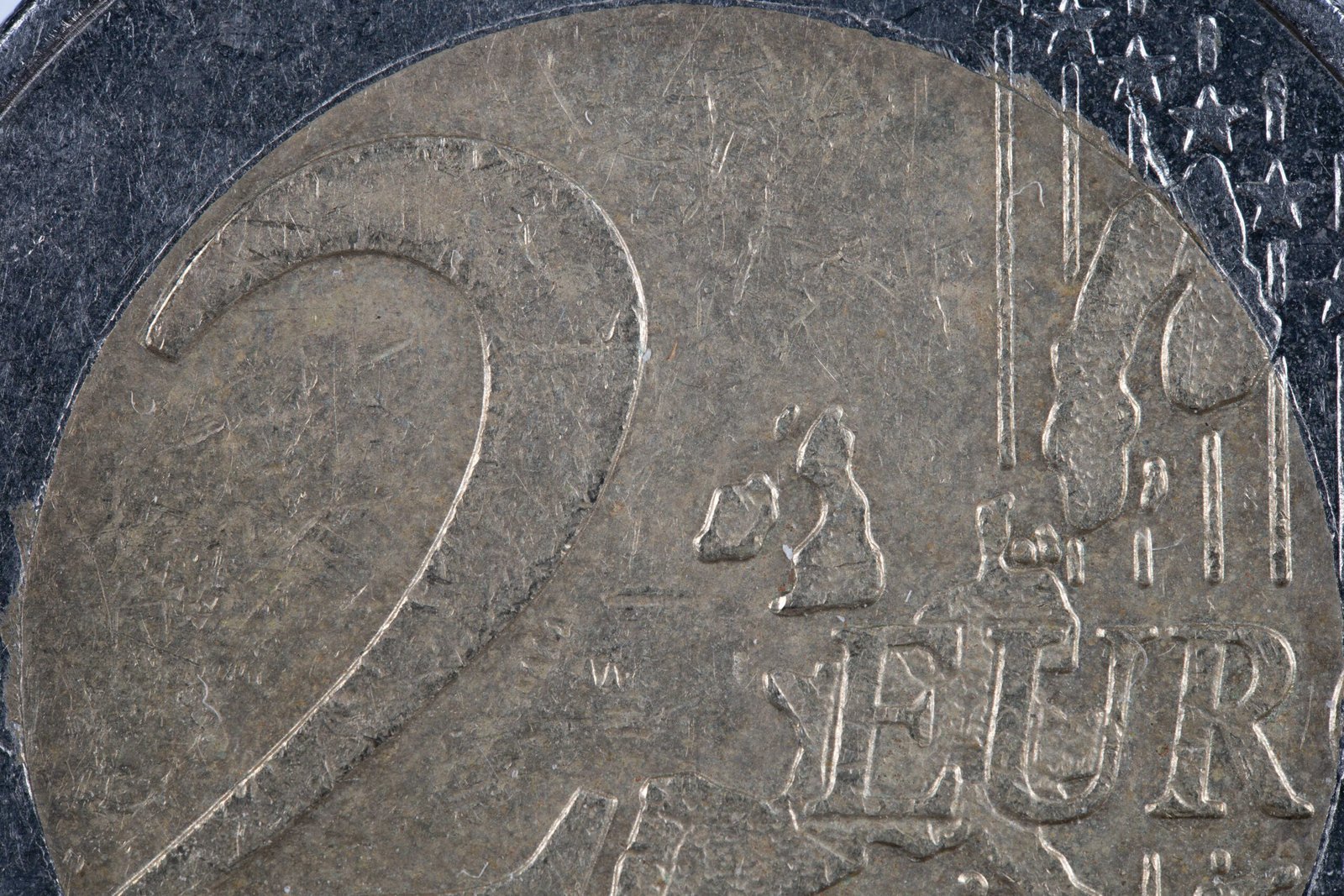
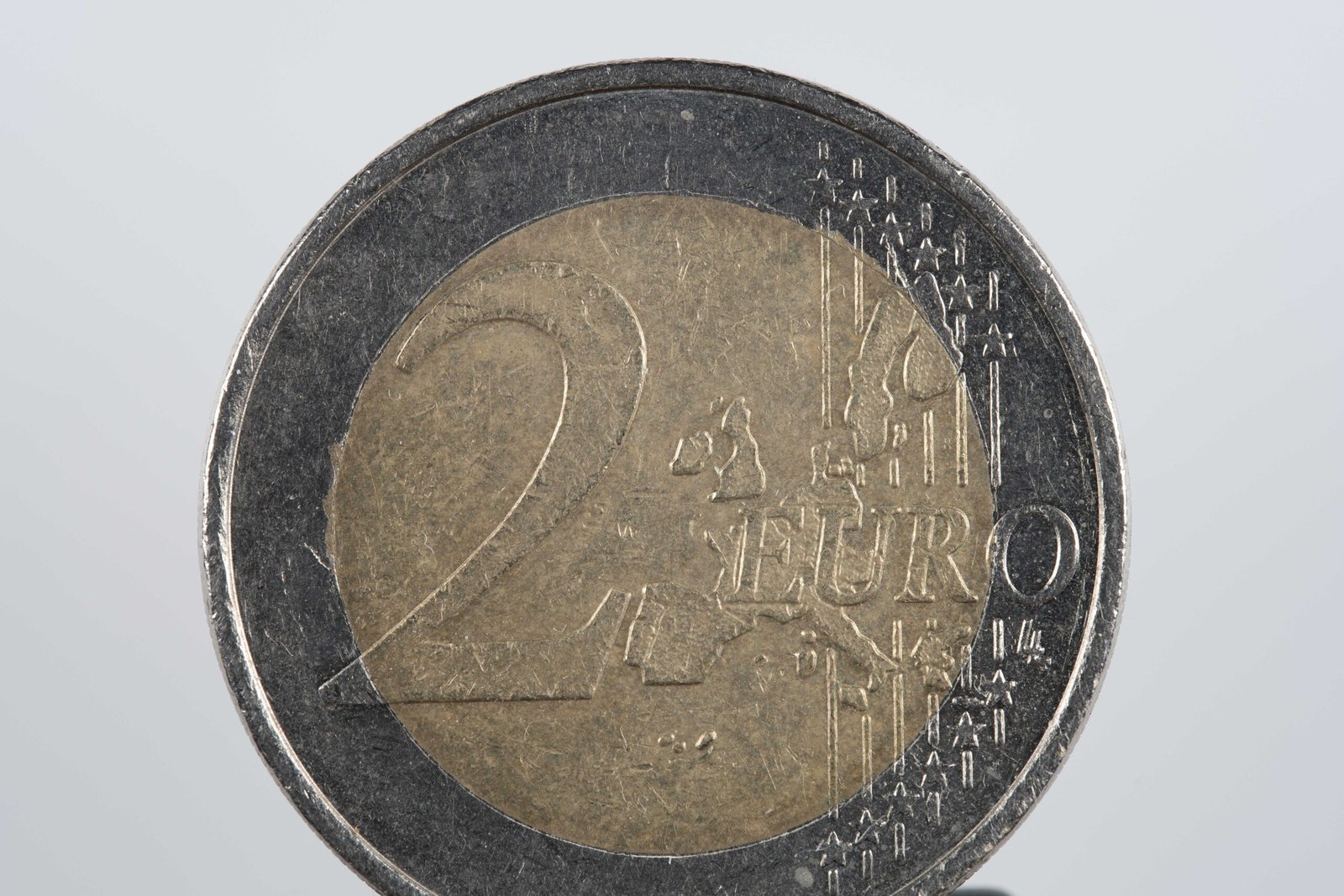
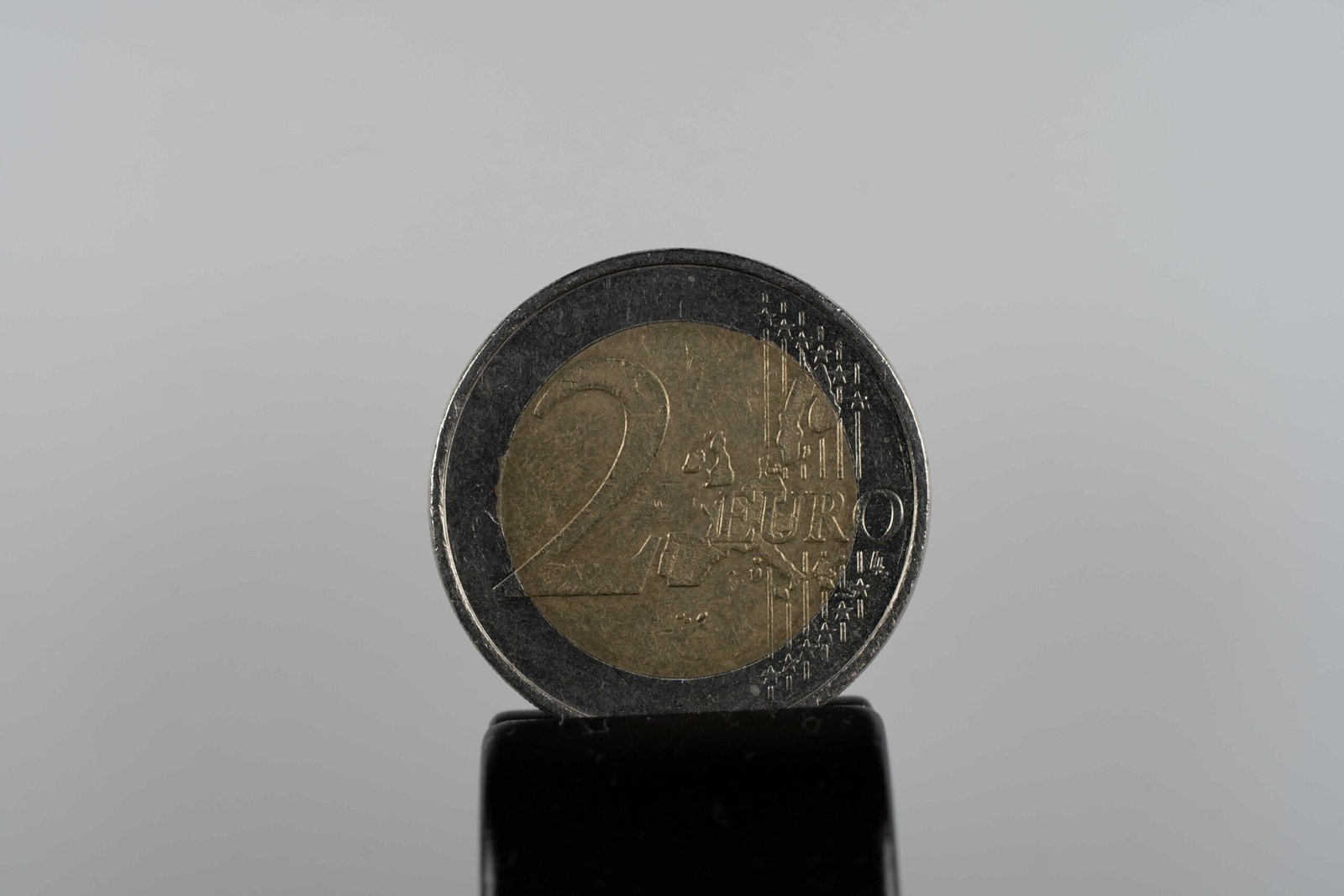
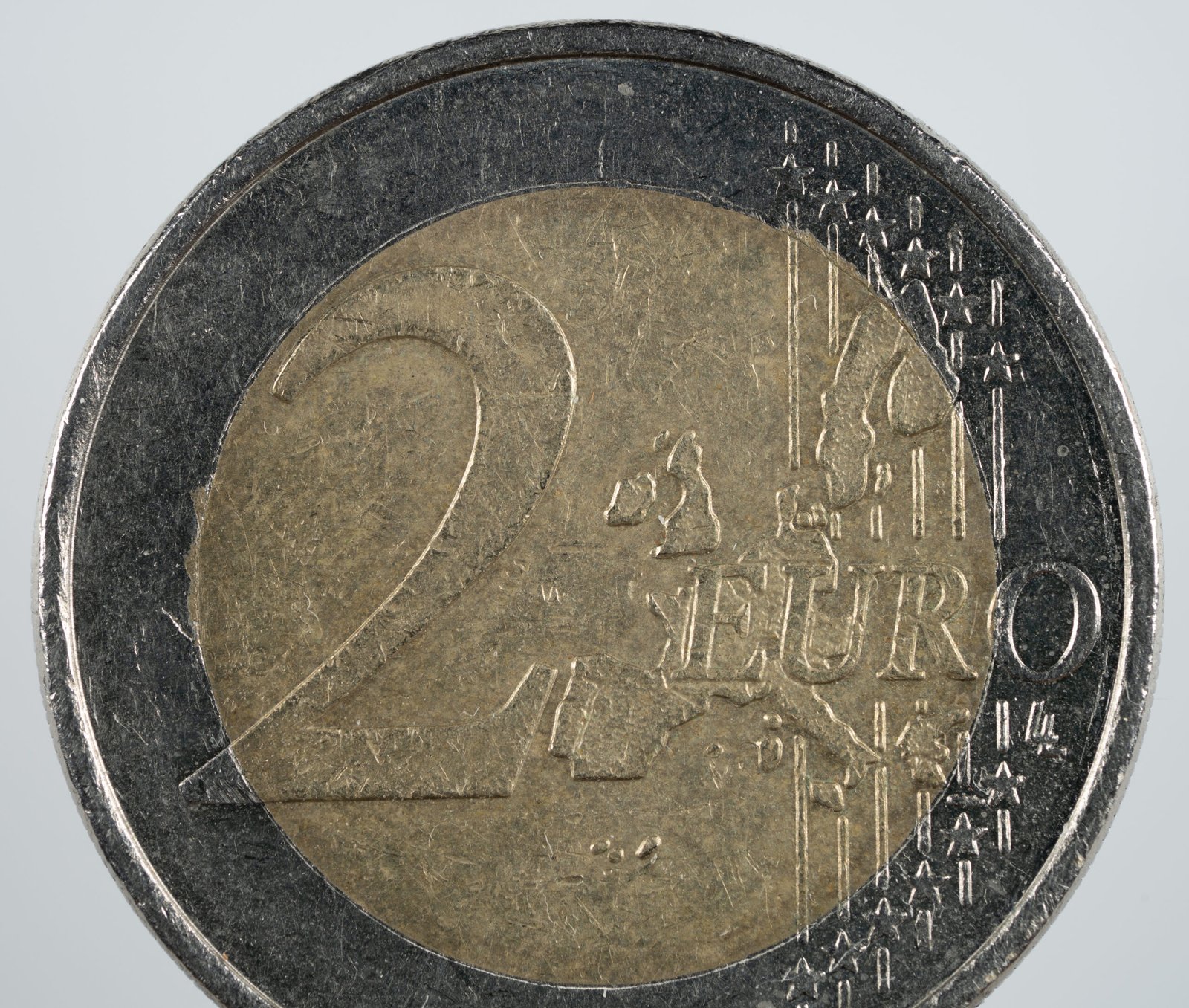
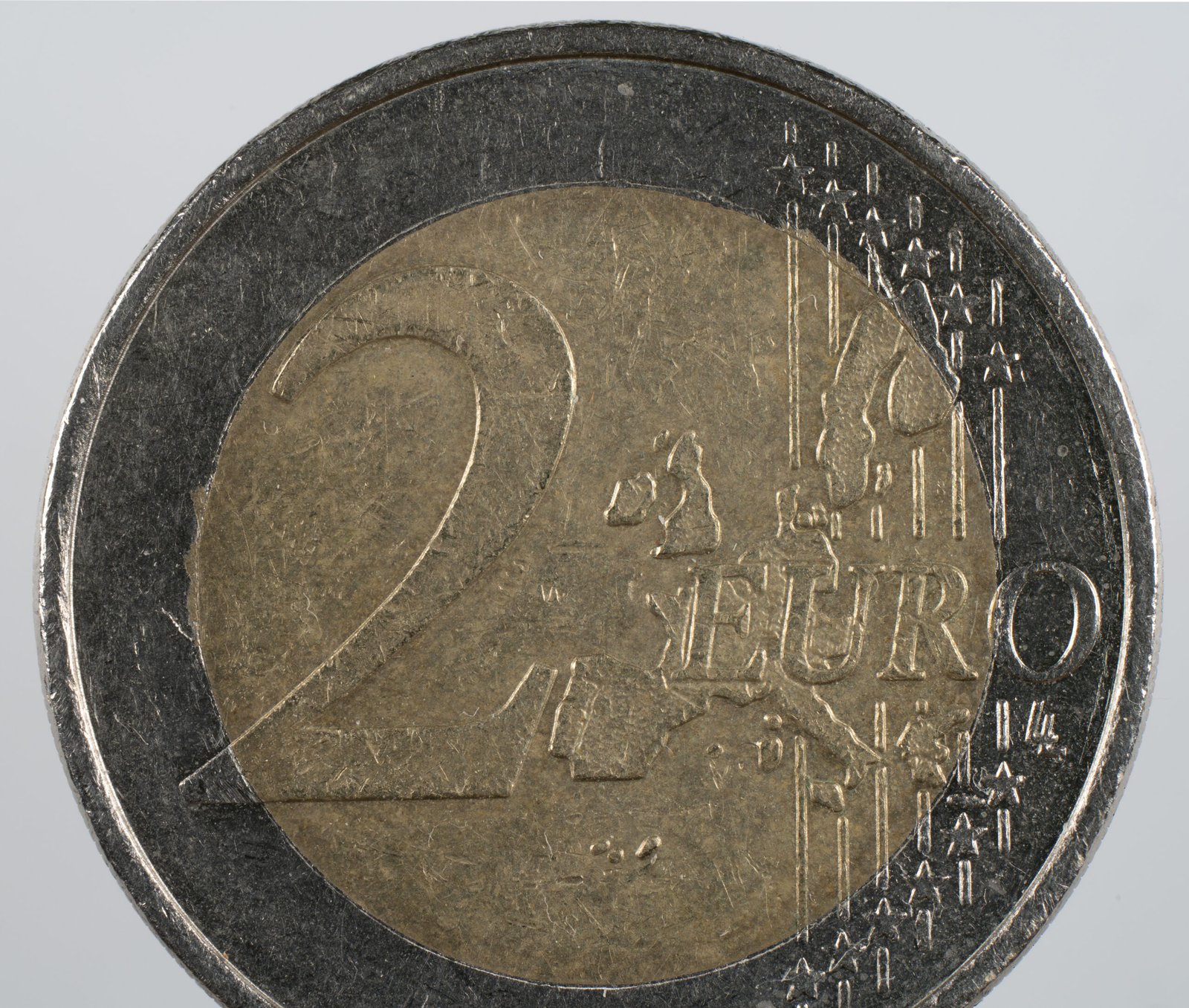
For someone who has only shot 1:1 macro up until now, the 2x magnification of the Laowa f/2.8 2x Ultra Macrco APO really impressed me, showing even the tiniest scratches on this 2€ coin. Coincidentally, that coin has a diameter of 23.5mm, which is almost the same height as a full frame sensor.
Key specifications
Next, let’s have a look at some key specifications of the three lenses:
| Sony 70-200mm f/4 Macro G OSS II | Sony 90mm f/2.8 Macro G OSS | Laowa 90mm f/2.8 2x Ultra Macro APO | |
| Weight (with lens hood) | 874g | 678g | 641g |
| Length (without / with lens hood) | 16.7/22.2cm | 14.8/19.2cm | 13.5/18cm |
| Filter thread | 72mm | 62mm | 67mm |
| max. aperture | f/4 | f/2.8 | f/2.8 |
| max. magnification | 0.5x | 1x | 2x |
| min. focusing distance (subject to sensor) | 26-42cm | 28cm | 20.5cm |
| Focus | AF & MF | AF & MF | MF |
| Aperture blades | 9 | 11 | 13 |
| Body material | plastic | mostly plastic, focus ring metal | mostly metal |
| Optical image stabilization | yes | yes | no |
| Teleconverter compatible | yes | no | no |
| Versatility | 10/10 | 7/10 | 4/10 |
| Price tag (new, as of 06/2026) | ~1600€ | ~1000€ | ~650€ |
As per the specifications, there is no outright winner among these three lenses – each offers its own set of strengths and compromises. To determine which one deserves a place in my (and maybe your) camera bag, it is worth taking a closer look at their real-world performance, particularly in terms of image quality, which is arguably the most important factor when evaluating and comparing lenses.
Image quality comparison
To evaluate the image quality of these three lenses, I set up a small “macro studio” for consistent and comparable results. Below, you’ll find a side-by-side comparison of images captured with the three lenses using my Sony A7V, along with the corresponding camera settings. All images were taken at 90mm (180mm if the 2x TC was attached), ISO100 and f/8 as this aperture is where most lenses achieve peak or near-peak sharpness. In addition, many macro photographers shoot between f/5.6 and f/8, since the increased depth of field helps compensate for minor focusing errors when working at close focusing distances.
All images were exported from Adobe Lightroom without any adjustments and then aligned and cropped in Photoshop to ensure identical framing.
| Sony 70-200mm f/4 Macro G OSS II + 2x TC | Sony 90mm f/2.8 Macro G OSS | Laowa 90mm f/2.8 2x Ultra Macro APO | |
| ISO | 100 | 100 | 100 |
| Aperture | f/16 (lens at f/8) | f/8 | f/8 |
| Exposure time | 1/4s | 1/8s | 1/10s |
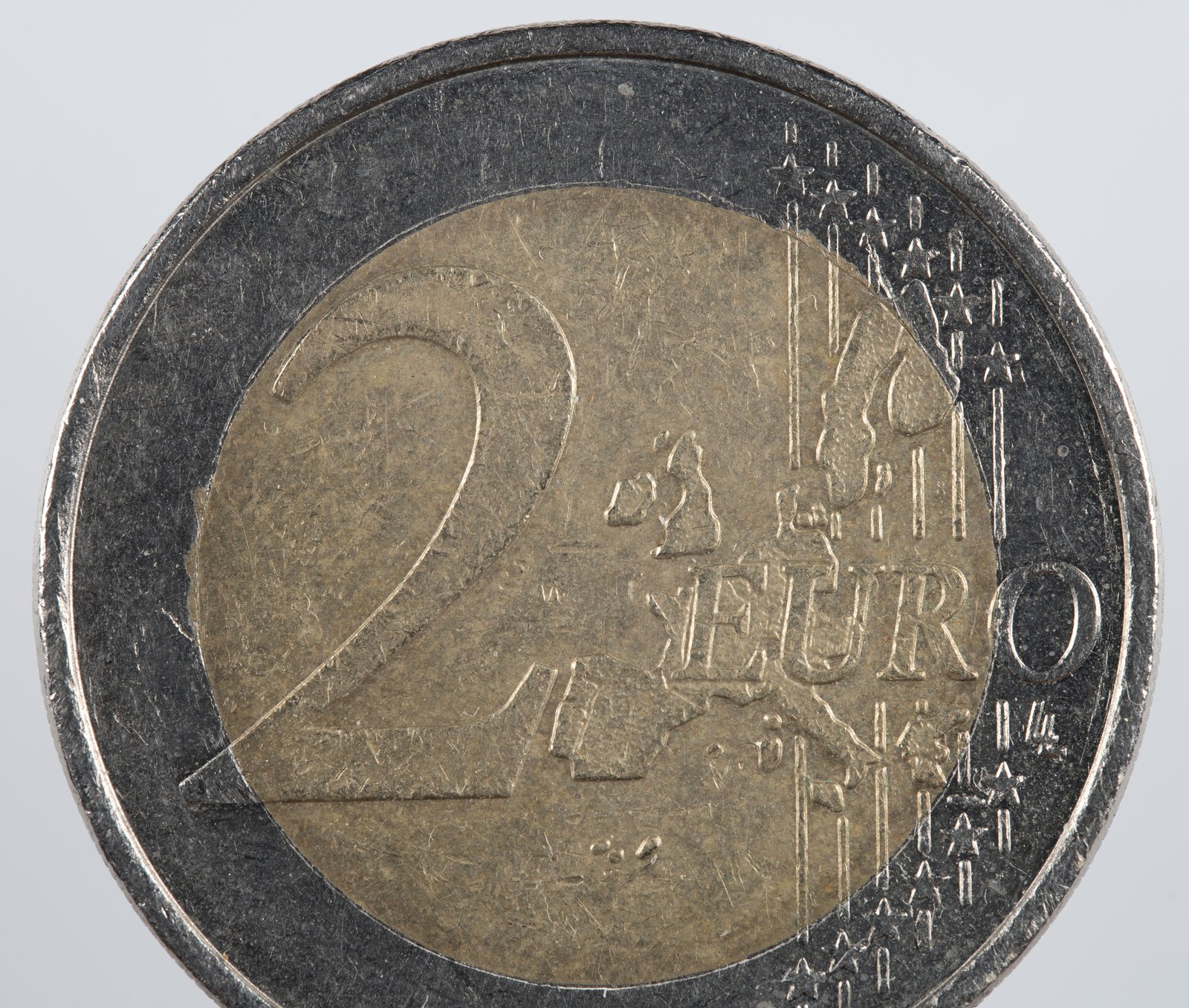
A few things already become apparent from this comparison:
- Although the Sony 70–200mm f/4 Macro G OSS II is capable of achieving 1:1 magnification when paired with the 2x teleconverter, it requires a noticeably longer exposure time than the two dedicated macro lenses when the ISO setting and effective aperture are kept the same.
- The image quality of the Sony 70–200mm f/4 Macro G OSS II paired with the 2x TC does show a slight reduction in detail. However, the results are remarkably good in my opinion. Based on my experience with other lenses, 2x teleconverters often lead to a much more noticeable loss of sharpness and detail, making the performance of this combination particularly impressive.
- In terms of fine detail, the Laowa 90mm f/2.8 2x Ultra Macro APO and the Sony 90mm f/2.8 Macro G OSS appear to be in the same league. However, considering the significant price difference between the two lenses, this is an impressive result for the Laowa.
Let’s take a closer look at the fine details to see how these lenses perform at 1:1 magnification.



- As expected, the Sony 70–200mm f/4 Macro G OSS II paired with the 2x TC resolves slightly less fine detail than the two dedicated macro lenses. Even so, the results remain surprisingly good in my opinion. The loss in sharpness is relatively minor, and the image quality remains more than sufficient for high-quality macro photography. It is certainly a setup I would be happy to take on a hike when I want the flexibility of a telephoto zoom while still being able to capture compelling macro images.
- The Sony 90mm f/2.8 Macro G OSS and the Laowa 90mm f/2.8 2x Ultra Macro APO appear to be very closely matched overall. While the differences are minimal, the Laowa may have a slight advantage, particularly when it comes to rendering the finest details.
Focus breathing
Focus breathing is the apparent change in a lens’s focal length as the focus distance changes.
Several reviews have pointed out that the Laowa 90mm f/2.8 2x Ultra Macro APO exhibits significant focus breathing. Usually, this is a greater issue for videographers than photographers. However, many macro images are not shot as a single exposure, but rather stacked from multiple images taken with either the camera being moved on a macro rail or the focus being changed while the camera (and ideally the subject) remains stationary.
Additionally, focus breathing becomes more pronounced as you focus closer because:
- Small changes in magnification are easier to see when you’re already near the subject.
- Internal focusing groups move farther from their infinity-focus positions.
- The lens’s effective focal length often changes more at close distances.
As a macro photographer working at very short distances, this can definitely become an issue. Taking into account the 2x magnification of the Laowa 90mm f/2.8 2x Ultra Macro APO I was curious to see how severe focus breathing on this lens actually is and how it impacts the stacking process at 2x magnification.
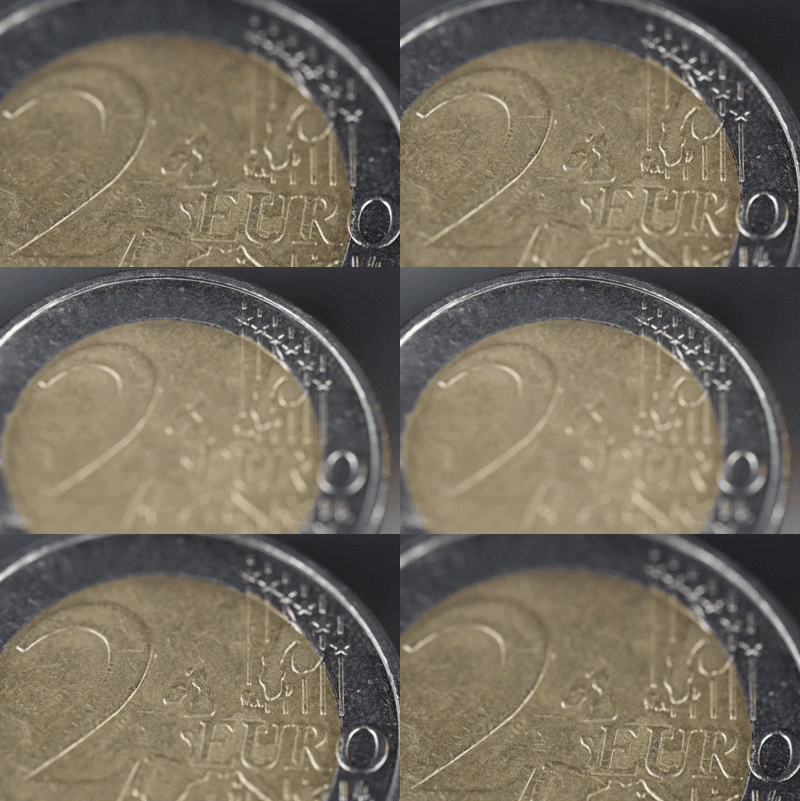
As shown, the Laowa 90mm f/2.8 2x Ultra Macro APO exhibits substantial focus breathing at 2x magnification, causing a noticeable apparent reduction in field of view as focus is moved closer.
Consequently, the image captured at the closest focus distance determines the final field of view (FoV) of the focus stack if using focus bracketing rather than a macro rail. Photographers should therefore account for this reduction in FoV when composing and capturing images during focus bracketing when using this lens.
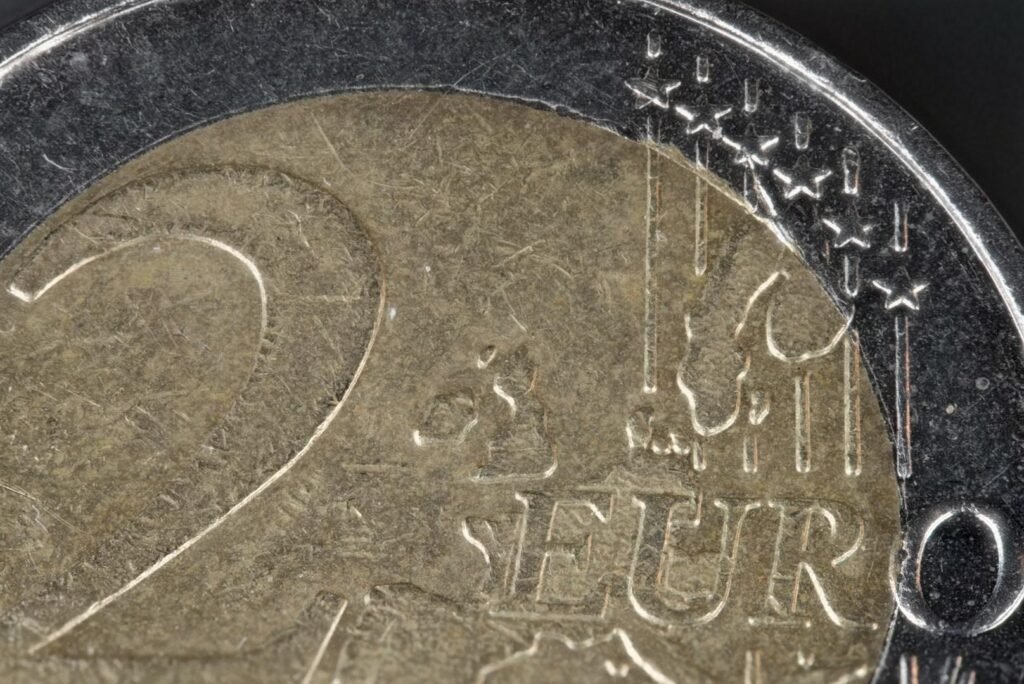
Here is the final stacked image generated in Zerene Stacker from the focus-bracketed sequence shown in the video above. As noted earlier, the image captured at the closest focal plane determines the field of view of the final stack.
Despite the substantial loss of field of view caused by the pronounced focus breathing, I was pleased to see that Zerene Stacker handled the changing framing with ease. I encountered no issues when stacking the images.
Having seen the focus breathing at 2x magnification, I wanted to know how the Laowa 90mm f/2.8 2x Ultra Macro APO compared to the well established Sony 90mm f/2.8 Macro G OSS with regard to focus breathing at 1x magnification. I left the Sony 70-200mm f/4 Macro G OSS II out of the comparison because I knew it would not serve as my main macro lens if I kept it.
In the end I wanted to decide which of these lenses to finally keep in my camera bag.
To quantify this effect, I photographed a ruler at various magnification ratios indicated on the lenses’ focus rings, recording the horizontal distance captured as well as the distance between the sensor and subject. These measurements were then used to calculate the field of view (FoV) at the corresponding magnification ratios. An ideal lens would produce a horizontal line when plotting FoV against magnification ratio, indicating that the field of view remains constant and that no focus breathing is present.
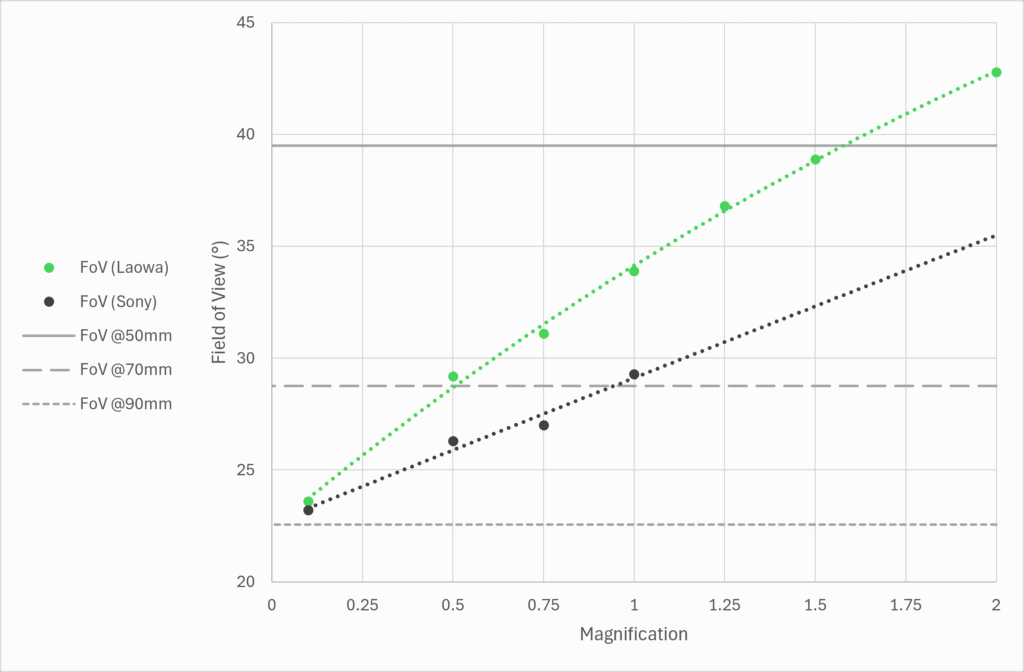
As you can see, the Laowa 90mm f/2.8 2x Ultra Macro APO exhibits substantially more focus breathing than the Sony 90mm f/2.8 Macro G OSS throughout the entire focus range. Interestingly though, both lenses appear to only be true 90mm focal length lenses at infinity focus…
Despite this apparent flaw, I have been pleasantly surprised by the Laowa’s overall performance and will most likely replace my Sony with this remarkable macro lens. Whether, and to what extent, this will affect my macro photography remains to be seen.
Conclusion
Sony 70-200mm f/4 Macro G OSS II – The Jack of all Trades
The Sony 70-200mm f/4 Macro G OSS II is one of the most versatile lenses I have used to date. Covering a highly practical 70-200mm focal length range, it delivers excellent image quality throughout the entire zoom range while remaining remarkably compact and lightweight.
What makes this lens particularly appealing is its ability to bridge the gap between a traditional telephoto zoom and a macro lens. While it cannot match the magnification of a dedicated macro lens capable of 1:1 reproduction or beyond, it is more than capable of capturing detailed close-up images of insects, flowers, and other small subjects as we have seen here.
If macro photography is an occasional part of your workflow and you are looking for a lens that excels across a wide range of shooting scenarios, the Sony 70-200mm f/4 Macro G OSS II is a truly outstanding choice.
Sony 90mm f/2.8 Macro G OSS – The OEM 1:1 Macro Lens
Without a doubt, the Sony 90mm f/2.8 Macro G OSS is an excellent lens. Not only does it perform exceptionally well as a macro lens, but it is also versatile enough to serve as a short telephoto lens for landscape photography, portraits, or even wildlife photography in situations where a wider field of view and faster aperture are advantageous.
However, compared to the Laowa 90mm f/2.8 2× Ultra Macro APO, the Sony is limited to a maximum magnification of “only” 1:1. For that it compensates (if it even has to) with two significant advantages: autofocus and optical image stabilization. These features make the Sony considerably more practical for fast-paced photography, handheld shooting, and video work, where precise manual focusing can be challenging.
While the Laowa offers greater magnification and excellent optical performance, the Sony strikes a more balanced compromise between macro capabilities and everyday usability. If you are looking for a dedicated 1:1 macro lens that can somewhat transition into other photography genres, the Sony 90mm f/2.8 Macro G OSS remains one of the best all-round options available.
Laowa 90mm f/2.8 2x Ultra Macro APO – The Razor-Sharp Macro Beast
The Laowa 90mm f/2.8 2x Ultra Macro APO is an exceptionally sharp macro lens. Having used the Sony 90mm f/2.8 Macro G OSS extensively, I did not expect another lens to match or even surpass it in terms of sharpness – especially at that price tag. Yet the Laowa managed to do exactly that.
Whether this impressive performance is primarily due to its apochromatic optical design or simply the result of outstanding engineering by Laowa, I cannot say. What I can say is that the lens delivers remarkable levels of detail up to 2x magnification, making it an excellent choice for photographers who enjoy examining the finest structures and textures in their subjects.
Of course, sharpness is only part of the story. The ability to achieve up to 2:1 magnification opens up creative possibilities that are simply not available with most traditional macro lenses. For photographers who frequently work with very small subjects and are comfortable with manual focus, the Laowa offers a lot of bang for the buck.
The only drawback I found of this lens was the enormous focus breathing. If you are looking for an incredibly sharp macro lens capable of true 2:1 magnification and are able to handle the reduction in FoV due to the focus breathing, the Laowa 90mm f/2.8 2x Ultra Macro APO deserves a place in your camera bag – or, preferably, mounted on the front of your camera 😉